

How To Assemble A Veggie Tray On A Budget
Make a beautiful veggie tray without spending a fortune. Here, I will show you exactly how to choose, prep, and arrange vegetables for a colorful, crowd-pleasing platter — all on a budget. Perfect for parties, potlucks, or a healthy snack.
This is a sponsored post written by Cheap Recipe Blog on behalf of Litehouse Dressing.
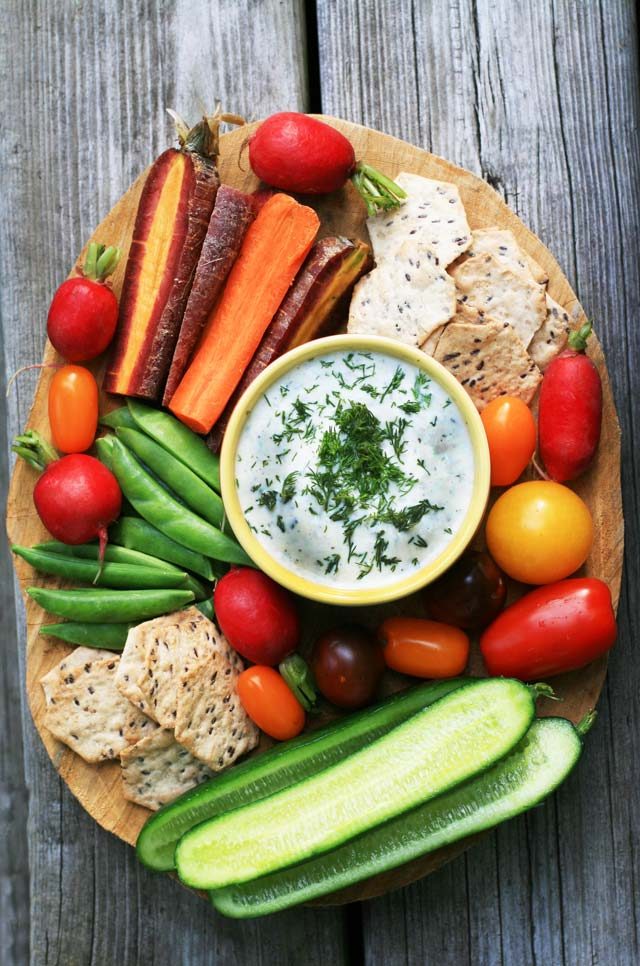
When you think of a veggie platter, what comes to mind?
A lot of vegetable plates are pretty sad: A variety of bland veggies with an equally bland dip in the middle. A mix of celery, baby carrots, huge pieces of cauliflower and broccoli, and if you’re lucky, some grape tomatoes.
But I’m here to tell you this: Your vegetable platter doesn’t have to be boring.
In fact, you can make a fresh and delicious vegetable platter without spending a lot of money. A platter that your family or party guests will actually love digging into.
How To Make A Veggie Tray
Here are some easy ways to create an epic veggie platter on a budget:
1: Choose Budget-Friendly Vegetables For A Veggie Tray
Fill your veggie tray up with delicious and affordable vegetables like:
- Carrots: Cut whole carrots yourself. Look for pretty rainbow blend carrots that are purple, red, white, and orange.
- Radishes: Low-cost radishes add some bite and color to your veggie platter.
- Cucumbers: Make sure to slice cucumbers thick enough. English cucumbers are a great option for vegetable platters. Before adding cucumbers to the platter, blot with a paper towel to remove excess moisture.
- Sugar snap peas: Sugar snap peas are a veggie platter favorite. They’re sweet, crunchy, and fun to eat.
- In-season vegetables: Visit a farmer’s market or local grocery store to pick up in-season vegetables that are fresh and affordable. Or shop at a salvage grocery store to find affordable veggies at a major discount.
Most importantly, fill your platter with a variety of colors and flavors. And don’t forget to add some crackers too.
2: Wash And Cut The Vegetables
Rinse the vegetables and cut into desired shapes and sizes:
- Carrots: Peel and cut into sticks about 3 inches long. For variety, try using rainbow carrots for more color on your tray.
- Celery: Cut celery stalks into similar lengths as the carrots so they fit neatly on your tray. Trim off any stringy parts.
- Cucumbers: Slice into thick rounds or cut into sticks. English cucumbers work well because they have fewer seeds and thinner skin. Blot with a paper towel before serving to remove extra moisture.
- Bell peppers: Slice into thin strips or wedges. Mix red, yellow, and green peppers for visual appeal.
- Broccoli and cauliflower: Cut into small florets – bite-sized pieces are best so guests don’t have to wrestle with oversized chunks.
- Radishes: Slice thinly or halve them if they’re small. Their crisp texture and color make them a pretty accent on the platter.
- Cherry or grape tomatoes: Serve whole, or cut larger ones in half.
- Sugar snap peas or green beans: Trim the ends and keep them whole.
3: Arrange A Beautiful Veggie Tray
Now for the fun part — assembling your veggie tray! How you arrange the vegetables makes a big difference in how inviting your platter looks. You don’t need to be a food stylist — just keep color, balance, and variety in mind.
Here are some easy tips for arranging your vegetable platter:
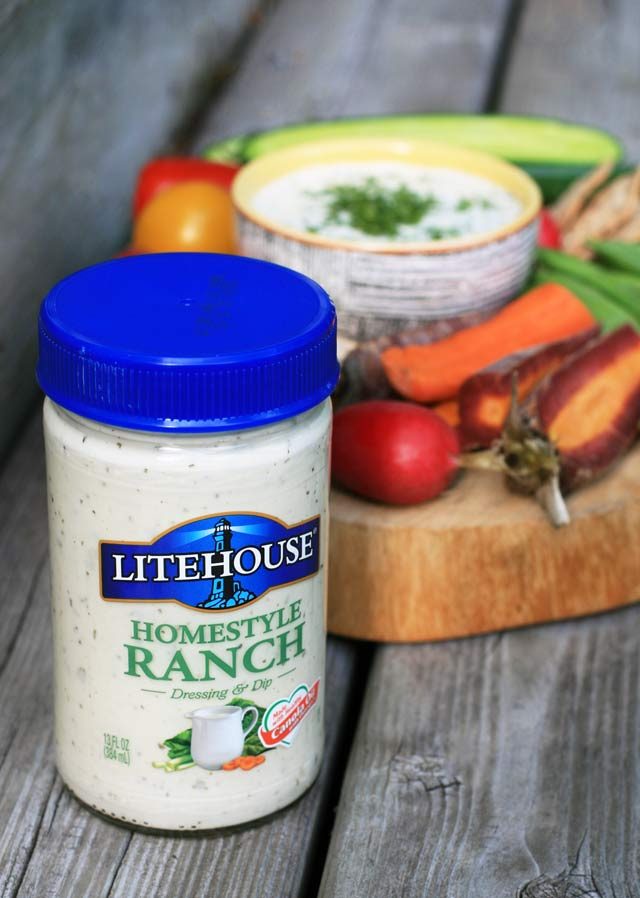
- Start with the dip: Place your dressing or dip (like Litehouse Homestyle Ranch) in the center or off to one side in a small bowl. If you’re serving multiple dips, use two or three smaller bowls spaced evenly around the tray.
- Group by color or type: Arrange similar veggies together in small sections — all the carrots together, all the cucumbers together, etc. This keeps the platter looking organized and makes it easy for guests to pick what they like.
- Create color contrast: Alternate green, red, orange, and white vegetables next to each other.
- Fill gaps: Use smaller vegetables like cherry tomatoes, radish slices, or snap peas to fill any open spaces.
- Add extras: This is totally optional if you want to keep your veggie tray pure. But consider mixing in a few crackers, cheese cubes, or olives to make the platter feel more meal-worthy.
- Garnish for a fresh touch: A few sprigs of dill, parsley, or green onion on top make the platter look fresh and intentional.
How To Keep Your Veggie Tray Fresh
A little prep work goes a long way in keeping your veggie tray crisp and fresh, even if you make it ahead of time. Most vegetables can be washed, cut, and stored up to a day in advance. Carrots, celery, broccoli, and bell peppers all hold up well when prepped early. Just store them in airtight containers in the fridge until you’re ready to assemble your tray.
Want to save this recipe?
For best results, keep high-moisture vegetables like cucumbers, tomatoes, and celery separate, since they can release water and make other veggies soggy. You can place a slightly damp (not wet) paper towel in the bottom of each container to maintain freshness without adding too much moisture. If you’ve already arranged your tray, cover it tightly with plastic wrap or a fitted lid, and if it will be in the fridge for more than a few hours, add a layer of foil to keep out any unwanted odors.
Always store the dressing or dip separately until serving time — especially creamy options like ranch, hummus, or yogurt-based dips, which should be kept cold. Before setting out your tray, give everything a quick refresh: blot any condensation, remove wilted pieces, and replace them with fresh veggies if needed.
If you’re transporting your platter, line the bottom of the container with a cold pack wrapped in a towel to help keep everything crisp and cool until you’re ready to serve.
Buy The Best Dressing – And Serve It Cold
Remember: Dressing is the most important part of your platter.
Do your guests a favor and serve fresh veggies with a chilled dressing. Serving fresh vegetables with a warm or room-temperature dip is simply unappetizing.
I served these vegetables with Lighthouse Homestyle Ranch. What I like about this dressing is that it’s delicious, for one. The dressing is so fresh tasting – which is not the case with many ranch dressings, in my opinion. It’s made with real buttermilk, sour cream, and herbs.
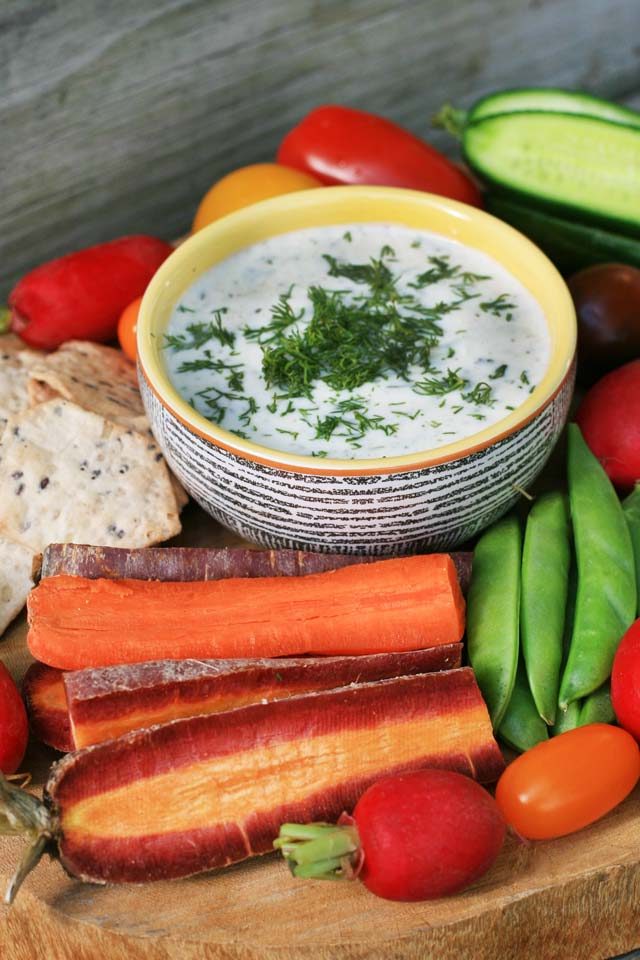
Feel free to add some fresh herbs to your dressing like dill, chives or chopped green onion. I added some fresh dill that I couldn’t resist buying at the farmer’s market.
Money-Saving Tip: Save Money By Prepping Your Own Veggies
Ready-prepped vegetables at the grocery store are certainly convenient – but they also cost more. Grocers will price these ready-to-eat veggies at a huge markup. Don’t fall for it!
To save money, purchase whole vegetables and cut/prep them yourself. That means washing the vegetables, peeling vegetables like carrots, and cutting them up to put on your platter.
Pro tip: Cut vegetables into smaller, bite-sized pieces. This will help fill up your platter – and is easier for your guests to nibble on.
When And Where To Serve A Veggie Tray
Assemble a budget-friendly veggie tray for your next picnic or potluck. Bring a small tongs to make it easy to grab the vegetables off the platter.
Another fun option? Assemble your vegetables and dip on a charcuterie or grazing board. This is a great option for an indoor gathering where you’re serving appetizers and wine.
One of the great things about a veggie tray is that it can sit out for at least a couple of hours – or more – as long as it’s not too warm in your house (or outside). Remember to refresh the dressing!
This is a sponsored post written by Cheap Recipe Blog on behalf of Litehouse Dressing.
Thanks for the great tips! Veggie trays make for a great appetizer, especially in this crazy hot weather!
I agree! I try to avoid turning on the oven when it’s over 80 degrees.
Love it. I always buy whole carrots because they taste so much better. Love your beautiful purple carrots. I haven’t seen them here yet this year. That is something we might have to add to our garden sometime.
They are so pretty, aren’t they?
I am hosting a party this weekend and will definitely be using these tips for my veggie platter. Thanks for sharing.