

The 17 Cheapest Ingredients To Always Keep On Hand
Saving money on food doesn’t have to be difficult. Stocking your kitchen with versatile, low-cost ingredients is the first step in making affordable meals. Read on for some of my favorite, go-to affordable ingredient picks.
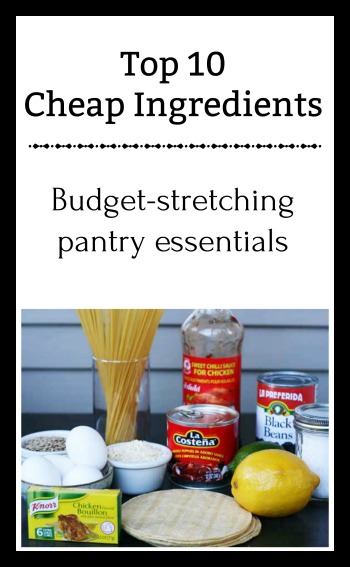
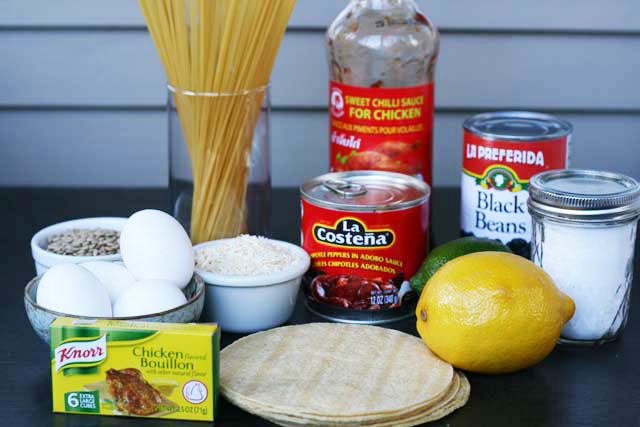
One of the keys to cheap cooking is learning a repertoire of cheap recipes, and stocking your kitchen with affordable and versatile staples. Here are some food items that I always keep stocked in my kitchen:
1: Tortillas
Besides being a staple in Mexican dishes, you can use tortillas to make thin-crust pizzas, appetizer roll-ups, homemade tortilla chips, and more. Consider buying whole wheat tortillas for added nutritional value.
2: Bouillon
I always, always have bouillon stocked in my kitchen. It’s much cheaper than canned broth, takes up less space in your pantry, and once incorporated into a dish, produces similar results.
Bouillon can be used as a base for soups, sauces, meat dishes, casseroles, and other savory dishes. It’s available in chicken, beef, vegetable, chipotle, and other flavors. I buy non-MSG boullion whenever possible (namely the brand Better Than Boullion).
3: Eggs
I am constantly amazed by the versatility of eggs. You can scramble them, fry them, bake them, poach them, and hard boil them. And when you separate the yolk from the white, amazing things can happen (like meringues, soufflés, fluffy frosting, and custard).
I recommend buying quality eggs (organic and cage-free) because they taste better and they’re better for you. Even if you’re spending more on organic eggs, the cost per egg/serving is still low.
- Learn how to make an amazingly fluffy omelette at home
- Learn how to make perfect scrambled eggs
- Make customizable scrambled egg bowls
4: Real Parmesan Cheese
Shredded Parmesan cheese packs more flavor than its dried and grated counterpart. Since it is so flavorful, you can generally use less than is required in a recipe – which saves calories as well as money.
5: Pasta
There are virtually unlimited ways in which to prepare pasta. Pasta and sauce (without meat) is one of the cheapest meals out there.
- Cowboy spaghetti (made with einkorn pasta)
- Chipotle-lime pasta salad with chicken and bacon
- Ground beef stroganoff
- Pasta carbonara
6: Sweet Chili Sauce
You can find sweet chili sauce in the Asian food section of most supermarkets. I use it all the time:
- As a dipping sauce for egg rolls or samosas
- As a sauce on a veggie pizza
- As a sauce on breaded chicken
- In stir-fry
It’s one of the most versatile and budget-friendly sauces that I use. It costs about $3.00 for a large 25-ounce bottle. Alternatively, you can make homemade sweet chili sauce at home.
7: Chipotle Peppers In Adobo Sauce
Nothing beats the heat and smoky flavor of chipotle. In the Mexican food section, you can buy chipotle peppers packed in spicy red adobo sauce.
To get more use out of a can of chipotle in adobo sauce – instead of using just the peppers or just the sauce – pour all contents into a blender to liquefy and then freeze. You can use the pureed liquid as needed in recipes such as soups, salsas, tomato sauces, and Mexican dishes.
8: Fresh Lemons and Limes
Using fresh lemons and limes in your cooking (versus bottled juices) can make a world of difference in terms of taste. Nothing beats the flavor of fresh citrus.
Before juicing a lemon or lime, roll it firmly under your hand a couple of times. This maximizes the amount of juice that is released from the fruit.
9: Beans and Lentils
Besides being cheap and healthy, beans and lentils can be prepared a million different ways. Nothing beats the ease of canned beans, but dried (and prepared) beans are the real deal in terms of flavor, texture, and cost savings. Lentils are easy and quick to prepare. They cook in about 15 minutes.
- Butternut squash and black bean nachos
- Cheesy pinto bean dip
- Charro beans
- Black bean burgers
- Black bean soup with orange-jalapeño salsa
10: Cabbage
You can often purchase a large whole cabbage for less than $2.00 – and it’s enough to make many side dishes, salads or even main courses. The trick is to learn some versatile cabbage recipes. Some of my favorites are:
- Cabbage roll soup
- Thai chicken slaw (with crispy rice)
- Cilantro-lime coleslaw
- Egg roll casserole
- Cabbage and ground beef casserole
11: Potatoes
Another essential cheap ingredient that can be prepared in a million different ways are potatoes. The key is to learn a variety of ways to prepare them deliciously, such as:
- Hash browns
- Crispy baked French fries
- Chicken-fried potatoes
- Cheesy breakfast potatoes
- Mashed potato bar
- Extra creamy scalloped potatoes and ham
- Loaded baked potatoes
12: Oats
There are many ways to prepare oats beyond a bowl of oatmeal, both sweet and savory.
13: Frozen Vegetables
Frozen vegetables can be substituted for fresh in many types of recipes. Beyond steaming them according to package directions, use frozen vegetables as a low-cost substitute in the following recipes:
- Chicken broccoli hotdish (uses frozen broccoli)
- Spinach ricotta meatballs (uses frozen spinach)
- Creamy vegetable soup (uses a variety of frozen vegetables)
14: Canned Tomatoes
The ultimate pantry staple, canned tomatoes in their many forms (diced, tomato sauce, stewed, whole, etc.) can be used in so many recipes:
- Basic chili
- Chickpea and tomato curry
- Ham balls with tomato sauce
- Zesty pizza sauce made with pantry staples
15: Rice
Rice is one of the most versatile and affordable pantry staples you can buy – a five-pound bag costs around $4 to $6 and can stretch across dozens of meals, from fried rice to casseroles to simple side dishes.
- Peanut chicken and rice bake
- Peruvian chicken and rice bake
- Kitchen sink fried rice
- One pot Mexican rice
16: Peanut Butter
The average American eats about 4.4 pounds of peanut butter a year – and that’s more than just peanut butter and jelly sandwiches. This is another crossover ingredient that can be used in both sweet and savory recipes:
- Slow cooker Thai peanut chicken drumsticks
- Turkey lettuce wraps with peanut sauce
- No-bake peanut butter bars
17: Carrots
One of the cheapest vegetables in the supermarket, carrots are great for dipping (great on any vegetable tray) but can also be prepared into various side dishes, main course dishes, and desserts:
- Roasted carrot dip
- Buttery baked carrots
- Raw carrot cake
- Roasted carrot and Feta salad
- Mashed carrot potatoes with bacon
Where You Shop Matters
If you’re new to cooking on a budget, you have to know where to shop. Find out how drastically prices vary at 8 different types of grocery stores:
Start Making These Cheap Recipes To Start Saving Money On Food
What are the cheapest recipes on Cheap Recipe Blog? I made a list of 38+ recipes that make use of low-cost ingredients, and are all less than $1.00 per serving.
These are the cheapest of the cheap recipes, the ones that will help you save a lot of money over time. Check out the 38+ cheapest recipes on my blog.
My cheap ingredient list is inevitably different than yours. So let’s start a conversation: what are your favorite cheap food staples? Please leave a comment below.
Where To Find Cheap Ingredients
The short answer: where you shop matters as much as what you buy. Here’s where to find the best prices on budget pantry staples:
- ALDI — Consistently the lowest prices on eggs, produce, canned goods, butter, and dairy. If you have one nearby, it should be your first stop.
- Walmart — Very strong prices on pantry staples like rice, pasta, beans, and frozen vegetables. Great for buying in bulk.
- Costco or Sam’s Club — Best for large families or items you use constantly: oats, olive oil, canned tomatoes, peanut butter, cheese.
- Store brand / generic — At any grocery store, switching to store brand on staples like pasta, canned beans, frozen vegetables, and broth can cut your grocery bill by 20–30% with no difference in quality.
- The freezer aisle — Frozen vegetables are just as nutritious as fresh and significantly cheaper, especially out of season.
- Ethnic grocery stores — Asian, Mexican, and Eastern European grocery stores often carry staples like rice, noodles, beans, spices, and sauces at a fraction of mainstream grocery store prices.
I love these tips, I will definitely start to use the grocery store salad bar for seldom used items!!
My favorites are potatoes and squashes! Of course squashes are mainly in more temperate climates, but where I’m from there are so many people give them away literally by the 5 gallon bucket-full! They can be used in breads, as a side dish, fried, you can turn them into fries, or the spaghetti squash can actually be used to replace noodles for a pasta dish! And potatoes last a long time! Even if the creepy little roots start to come out, as long as you don’t wait too long you can just break them off and eat the potato with no problem!
I’ve been making my own broth lately. Love it!